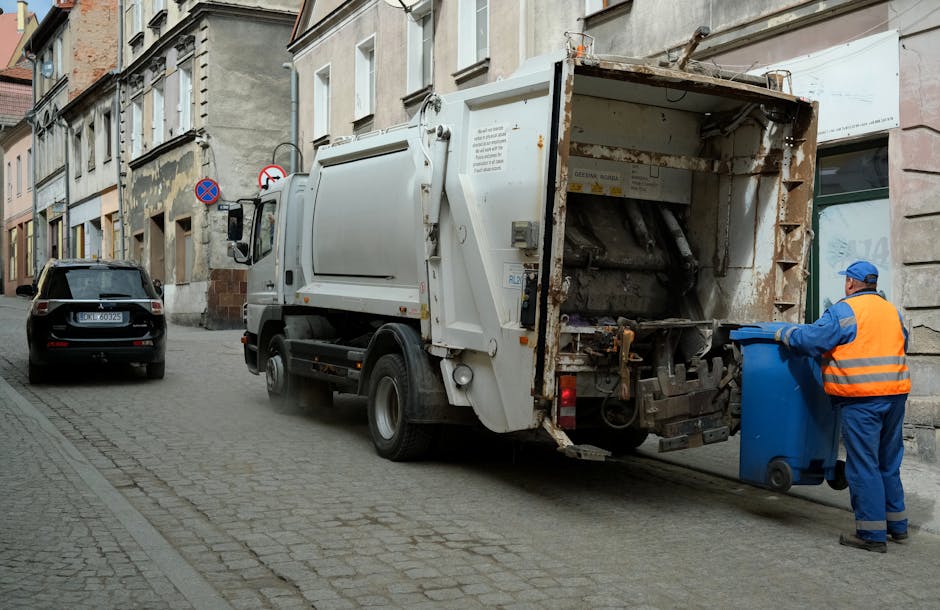
Avoid hidden charges in Brent Cross rubbish removal quotes: a practical guide to getting a fair price
If you are trying to avoid hidden charges in Brent Cross rubbish removal quotes, you are probably doing the sensible thing: checking the small print before anyone starts lifting sofas, sacks, or broken bits of timber. Good call. A cheap headline price can look fine at first glance, then suddenly grow teeth once loading time, stair carries, heavy items, or disposal fees appear on the bill. That is exactly the kind of surprise most people want to sidestep.
This guide breaks down how to read a rubbish removal quote properly, what can trigger extra costs, and how to compare providers without getting caught out. You will also find a checklist, a comparison table, and a realistic example from a typical Brent Cross clearance job. Straightforward stuff, really. No fluff.
Why hidden charges matter in Brent Cross rubbish removal
Hidden charges are not just annoying. They can change the whole decision. A quote that looks affordable on the phone can become expensive once the team arrives and says the pile is heavier than expected, access is awkward, or a mattress counts as a special item. That is frustrating at the best of times, especially if you are clearing a flat, garage, office, or a rented property on a deadline.
In Brent Cross and the wider north-west London area, many clearances happen in places where access is not always simple. Flats may have narrow stairwells, basement entrances, parking limits, or shared corridors. Homes can have loft access that is a bit awkward, while office clearances often need timed loading and extra care around lifts and building rules. These are all normal realities. But if they are not discussed upfront, they can become add-on charges later.
That is why transparency matters. A proper quote should help you understand what is included, what is not, and what could change the price if the job differs from the description. If a company is vague before the job starts, they will usually be vague when it comes to extras too. And nobody wants that call halfway through the day.
Expert summary: The safest rubbish removal quote is not always the lowest one. It is the one that clearly explains collection, labour, disposal, access assumptions, and any possible extras before anyone turns up at the door.
For a clearer picture of how pricing is typically structured, it can help to review the company's pricing and quotes information before requesting a collection.
How rubbish removal quotes usually work
Most rubbish removal quotes are built from a few core parts: the volume of waste, the type of material, the effort needed to remove it, and disposal considerations. Some companies price by load size, some by item, and some by a combination of both. The important thing is not the pricing model itself. It is whether the model is explained clearly.
Here is the basic logic. If you have mixed household waste, old furniture, or general clutter, the provider may estimate how much space your items take in the vehicle. Heavier materials, construction rubble, soil, or items that need dismantling can change the labour involved. If access is easy and everything is already by the front door, the job may be simpler. If the team has to carry items down three flights of stairs, that is a different story.
Transparent firms usually ask a few practical questions before quoting:
- What type of waste do you have?
- How much space does it take up?
- Where is the waste located?
- Is there parking nearby?
- Are there bulky or heavy items?
- Does anything need disassembly?
Those questions are not nosy. They are the difference between an accurate estimate and a price that changes on the driveway.
If you are arranging a larger clearance, it can also help to look at related services such as house clearance, flat clearance, or office clearance, because these pages often clarify how different property types are handled.
Common quote structures you may see
To be fair, not every quote is presented the same way. That is where people get caught out. The main formats usually look like this:
- Estimate only: a rough figure that can change after inspection.
- Fixed quote: a firm price based on the details you provide.
- From price: the lowest possible entry point, often without the full story.
- Load-based quote: priced according to how much of the vehicle is used.
A fixed quote is usually easier to trust if the waste description is accurate. An estimate is not automatically bad, but it should come with clear wording about what might alter it. If the quote feels slippery, ask for it in writing. Simple as that.
Key benefits and practical advantages
A clear quote does more than protect your budget. It makes the whole process calmer. You know what to expect, when to expect it, and what the job will probably include. That helps when you are juggling a house move, renovation, end-of-tenancy deadline, or a once-and-for-all declutter that has been hanging over you for weeks.
Here are the main advantages of avoiding hidden charges:
- Better budget control: you can plan around a realistic total rather than a tempting headline price.
- Fewer disputes: less chance of argument on collection day.
- Faster decisions: clear pricing helps you compare providers quickly.
- More trust: a transparent company usually communicates better overall.
- Less stress: no nasty surprise when the job is already underway.
There is also a practical side people sometimes overlook: better quotes help you choose the right service level. For example, if the quote includes labour for stair carries, you may not need to spend time moving things downstairs yourself. If it does not, you can prepare the site more efficiently. It saves time, which is worth something too.
Many readers also find it useful to check a company's approach to payment and security so they understand how money is handled before the team arrives. That is a sensible habit, not paranoia.
Who this is for and when it makes sense
This matters for almost anyone booking rubbish removal, but a few people benefit especially strongly from it.
- Homeowners clearing a garage, loft, spare room, or garden waste.
- Tenants trying to leave a property tidy without a costly panic at the end.
- Landlords and letting agents dealing with mixed leftovers after move-out.
- Trades and builders who need builders' waste cleared without awkward add-ons.
- Small businesses clearing office furniture, archive clutter, or refurbished stock.
- Families disposing of bulky furniture or long-ignored household items.
It also makes sense whenever the job is not obvious at first glance. A single mattress is straightforward. A pile of broken cabinets, plasterboard, carpet offcuts, and an old chest of drawers is not. The more varied the load, the more important it is to spell things out early.
If you are dealing with a more specific type of clearance, it can help to review related service pages such as furniture disposal, garage clearance, loft clearance, or builders' waste clearance. Different waste streams can affect the final price in different ways.
Truth be told, if you are looking at a job and thinking, "This might be more complicated than it looks," you are probably right.
Step-by-step guidance to prevent surprise costs
Here is a practical way to protect yourself from hidden charges before you book.
- Describe the waste clearly. List the items, rough volume, and whether anything is heavy, broken, damp, or difficult to move.
- Mention access issues. Stairs, narrow entrances, parking restrictions, lifts, and long carries all matter.
- Ask what the quote includes. Labour, loading, transport, disposal, congestion, and VAT if relevant should all be clear.
- Ask what could change the price. A trustworthy company can explain the triggers without sounding evasive.
- Request written confirmation. A text or email is far better than memory alone. People forget details. It happens.
- Check item exclusions. Some items may be classed differently because they need special handling or separate processing.
- Confirm the collection window. Late arrival is not a hidden charge, but it can become a hidden problem if your day is packed.
- Review payment method and timing. Know whether payment is taken before, after, or on completion.
A small but useful habit: take a few photos before you ask for a price. One shot of the whole pile, one of any bulky items, and one of access points can make the quote much more accurate. It takes two minutes and can save a headache later. Nice and boring. Exactly what you want.
For many customers, the best next step is to compare the company's published pricing guidance with the service description. That is where pricing and quotes and the main waste removal information can be useful together.
Expert tips for better results
In our experience, the easiest way to avoid hidden charges is to think like the person pricing the job. What would make it more time-consuming? What would make disposal more complicated? What would force a second trip, a bigger vehicle, or extra labour?
Helpful things to tell the provider upfront
- Whether the items are on the ground floor or upstairs
- If parking is outside, around the corner, or uncertain
- Whether the waste includes mixed materials
- If furniture needs dismantling
- Whether there is soil, rubble, plasterboard, or wet waste
- If the property is in a managed block with entry rules
Another smart move is to ask for the quote to be broken down into parts, even if only informally. For example: labour, loading, disposal, special handling, and access. You do not always need a line-by-line invoice before booking, but you do need enough detail to spot the dodgy bits.
And if a quote sounds much lower than every other one, pause. Really pause. Sometimes it is a genuine deal. Sometimes it is a teaser price built to win the booking before the extras appear. That second one is less fun, obviously.
It can also help to understand the company's wider standards. Pages like insurance and safety, health and safety policy, and recycling and sustainability give useful clues about how responsibly the business operates.
Common mistakes to avoid
People usually do not get caught by hidden charges because they are careless. More often, they are busy. They are trying to sort out a cluttered room, answer a builder, or finish work before the collection window. Fair enough. But a few common mistakes keep showing up.
- Accepting a quote without asking what is included. "All in" should actually mean all in.
- Forgetting to mention stairs or access limits. This is one of the biggest causes of disputes.
- Assuming all waste is priced the same. It is not.
- Ignoring the wording around estimates. If it says estimate, treat it as flexible.
- Not checking whether disassembly is extra. Flat-pack furniture can still take time to break down.
- Leaving payment questions until the day. That is a stressful moment to discover the rules.
- Choosing the cheapest headline price automatically. Cheapest is not always cheapest. Bit of a trap, that one.
There is another mistake that is easy to miss: not comparing like with like. One company might include labour and disposal, while another only includes vehicle space. If you compare only the headline price, you are comparing apples and screwdrivers. Not ideal.
Tools, resources and recommendations
You do not need special software to avoid hidden charges. A phone, a notepad, and a few good questions usually do the job. Still, there are some simple tools and resources that help keep things clear.
- Photos and short videos: useful for showing the scale of the job.
- Room or item list: especially helpful for mixed clearances.
- Access notes: stairs, parking, loading distance, lift restrictions.
- Written quote: email or message confirmation is best.
- Terms and conditions: read the key parts before you agree.
If the job involves furniture, garden material, or a full house clear-out, it is worth checking related pages such as furniture clearance, garden clearance, or home clearance so you can line up the right service to the right job.
Also, do not skip the company's terms and conditions. It is not thrilling reading, granted, but it is where many pricing and cancellation details tend to live. A quick read now can save an awkward conversation later.
Law, compliance, standards and best practice
When rubbish removal is involved, people often think only about the price. But safe, lawful handling matters too. In the UK, waste should be transported and dealt with responsibly, and customers should be cautious about who they hand it to. You do not need to become a compliance expert overnight, but you do need basic assurance that the provider works carefully and appropriately.
Best practice usually includes clear documentation, sensible handling of different waste types, appropriate loading, and a transparent explanation of any items that need special treatment. If a company cannot explain how it manages waste, that is a warning sign. No drama, just a warning.
For customers, the practical takeaway is simple: ask whether the company is insured, how it handles waste streams, and whether its pricing is connected to the actual work rather than vague guesswork. For larger or more complex jobs, especially builders' waste or mixed commercial loads, those questions matter even more.
If a provider publishes policies on areas such as modern slavery statement, complaints procedure, and about us, that can also help you judge how seriously it takes accountability and customer service.
Options, methods and comparison table
Not every rubbish removal job should be booked the same way. Sometimes a quick collection is enough. Sometimes you need a more structured clearance. Here is a useful comparison.
| Approach | Best for | Risk of hidden charges | What to watch for |
|---|---|---|---|
| Phone estimate | Small, simple jobs with clear access | Medium | Ask what changes the price if the waste differs from your description |
| Written fixed quote | Most household and office clearances | Low | Confirm inclusions, exclusions, and access assumptions |
| Load-based pricing | Mixed or ongoing waste removal | Medium | Check how volume is measured and whether labour is included |
| Site visit quote | Large, awkward, or heavily mixed clearances | Low to medium | Useful when stairs, parking, or item types are uncertain |
A site visit can feel like extra effort, but for complicated jobs it often saves money overall. There is less guesswork, less back-and-forth, and far fewer surprises once work starts. For a big loft clear-out or a cluttered business unit, that matters a lot.
Case study: a real-world Brent Cross clearance
Imagine a family in Brent Cross clearing out a first-floor flat before a move. The job includes a wardrobe, a mattress, several bin bags, a broken coffee table, and a few boxes from the airing cupboard. The flat has one narrow staircase and limited parking outside. At first glance, it feels like a straightforward half-load.
If they only say "a bit of furniture and some rubbish," the quote may be rough and open to change. But if they send photos, mention the stairs, note the parking challenge, and ask whether mattress disposal or dismantling is included, the provider can price it much more accurately. The result is usually calmer on collection day. The crew arrives, the job matches the description, and nobody is suddenly discussing extra fees by the front door while someone holds the lift open.
That kind of clarity also helps the customer plan their day. They know whether to move small items to the hallway, whether they need to be present, and whether payment is expected immediately after completion. Small details, yes. But they matter.
This is the difference between a quote that merely sounds good and one that actually works in real life. You feel it almost immediately.
Practical checklist
Use this before you accept any rubbish removal quote in Brent Cross.
- Have I described every main item or waste type?
- Have I mentioned stairs, lifts, parking, and access distance?
- Do I know whether labour, loading, and disposal are included?
- Have I asked what could increase the price?
- Is the quote written down somewhere?
- Do I know whether the price is fixed or an estimate?
- Have I checked for exclusions or special item charges?
- Do I know when and how payment is taken?
- Have I compared this quote with another like-for-like quote?
- Do I feel comfortable with the answers I received?
If you can tick most of those off, you are in a much better place than the average customer who rushes straight to the cheapest number. And honestly, that peace of mind is worth a lot.
Get a free quote today and see how much you can save.
Conclusion
The best way to avoid hidden charges in Brent Cross rubbish removal quotes is not complicated: give accurate information, ask direct questions, and insist on clarity before the job starts. Once you do that, most of the common pricing headaches simply fall away.
Look beyond the headline number. Check what is included, what is excluded, and what might change the price if the reality on site differs from the initial description. If you are clearing a flat, house, garage, office, loft, or garden, that one habit can save you time, money, and a fair bit of stress.
In the end, a good quote should feel calm, clear, and solid. Not flashy. Not slippery. Just honest. That is the kind of service people remember, and the kind that makes a messy day feel manageable.
Frequently Asked Questions
What should a rubbish removal quote include?
A clear quote should explain the labour, loading, transport, disposal, and any assumptions about access or item type. If the provider is vague about those points, ask for clarification before booking.
Why do some rubbish removal quotes change on the day?
Day-of changes usually happen when the waste is larger, heavier, or harder to access than described. Stairs, parking limits, mixed waste, or hidden extra items can all affect the final price.
Is a fixed quote better than an estimate?
Usually, yes, if the information you give is accurate. A fixed quote is easier to budget for. An estimate can still be useful, but it should come with clear wording about what may change it.
How can I compare two rubbish removal quotes properly?
Compare like with like. Check whether each quote includes labour, disposal, access assumptions, special item handling, and payment terms. A lower price is not useful if half the job is missing from the quote.
Do stairs usually cost extra?
They can, especially if they add time or make the job more physically demanding. Some companies include stair carries in the base quote, while others treat them as an additional factor. Always ask.
Should I send photos before asking for a quote?
Yes, if you can. Photos help the provider estimate volume and access more accurately. One clear picture of the pile and one of the access route is often enough for a much better quote.
Are mattress disposal or bulky furniture charges normal?
They can be. Bulky items often need more space, more handling, or different disposal arrangements. The key is not whether an extra cost exists, but whether it is explained before collection.
What are the most common hidden charges to watch for?
The usual ones are stair carries, long loading distances, special item handling, unexpected extra waste, and charges that appear because the initial description was too broad. These are the classic traps.
Can I reduce rubbish removal costs by preparing the waste myself?
Sometimes, yes. If safe, grouping items together and making access easier can reduce labour time. Just do not move heavy or awkward items in a way that puts you at risk. That is not worth it.
What if the final price seems unfair?
Ask for a clear explanation of what changed and why. If the provider had not explained the possible extra cost in advance, raise the issue calmly and refer back to the original quote or message. A decent company should be able to talk it through.
How do I know if a rubbish removal company is trustworthy?
Look for clear pricing information, sensible questions before quoting, transparent policies, and straightforward communication. Trust usually shows up in small things first, not big promises.
Where should I start if I want a clear, transparent quote?
Start by checking the company's pricing guidance, then describe your waste honestly and ask what is included in the price. If the answers are clear and consistent, that is a good sign you are dealing with a professional setup.